





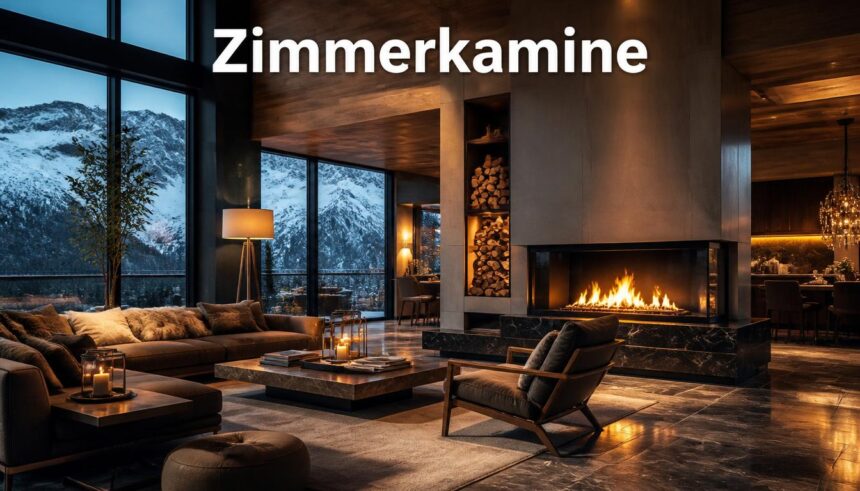
A comfortable home is about more than furniture, paint colors, and decorations. It is about creating a space where people feel relaxed, warm, and connected. One feature that has consistently helped homeowners achieve this feeling is the fireplace. In recent years, Zimmerkamine have become increasingly popular because they combine practical heating with beautiful interior design.
Many homeowners are now looking for heating solutions that not only reduce dependence on traditional heating systems but also enhance the overall appearance of their living spaces. Zimmerkamine offers exactly that balance. Whether installed in a modern apartment, a family home, or a luxury residence, these indoor fireplaces can transform an ordinary room into a welcoming environment. Understanding how they work, what they cost, and how efficient they are can help homeowners make a smart investment that delivers value for years.
What Are Zimmerkamine and Why Are Homeowners Choosing Them?
The term Zimmerkamine generally refers to indoor room fireplaces designed to provide heat while also serving as a decorative feature. Unlike older fireplace systems that were often built purely for heating purposes, modern Zimmerkamine are designed to blend functionality with aesthetics. They are available in a wide range of styles, sizes, and fuel options, making them suitable for almost every type of home.
One reason homeowners are increasingly interested in Zimmerkamine is the atmosphere they create. A fireplace naturally becomes the focal point of a room. Whether it is a family gathering during winter or a quiet evening spent reading a book, the presence of a fireplace adds a sense of comfort that many heating systems simply cannot provide.
Modern interior design trends have also contributed to their popularity. Homeowners are paying greater attention to creating warm and inviting living spaces rather than focusing solely on practicality. A well-designed fireplace can instantly elevate the appearance of a room, making it feel more sophisticated and luxurious without requiring a complete renovation.
Another factor is the growing interest in energy-efficient heating solutions. Many modern fireplaces are designed to deliver impressive heat output while consuming less fuel than older models. This allows homeowners to supplement their primary heating systems and potentially reduce overall energy costs.
How Zimmerkamine Have Evolved From Traditional Fireplaces
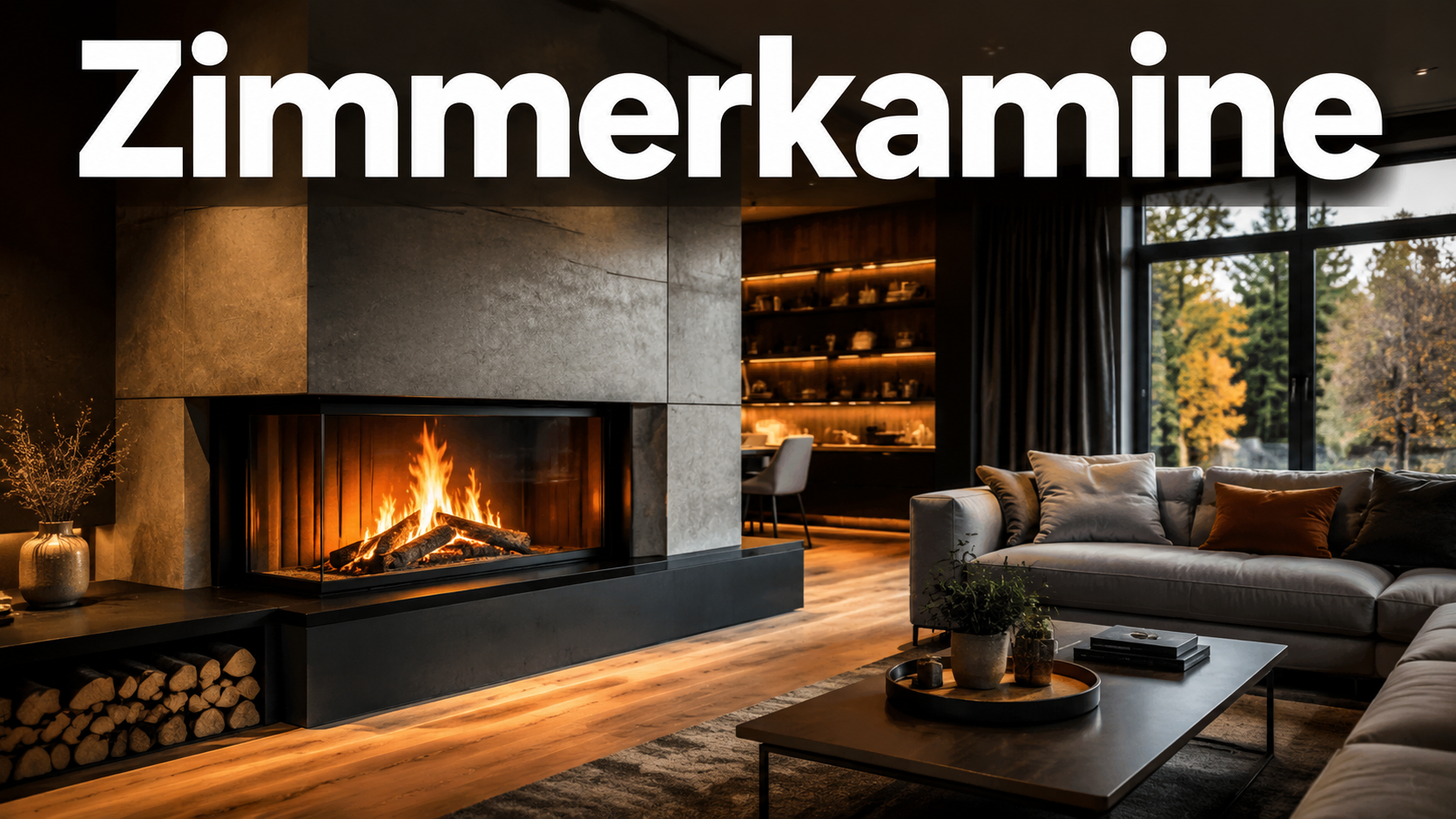
Fireplaces have existed for centuries, but the technology behind them has changed dramatically. Traditional fireplaces were often inefficient because a large portion of the heat escaped through the chimney. While they provided warmth and ambiance, they were not always the most practical heating solution.
Today’s Zimmerkamine incorporate advanced engineering and modern materials to improve performance. Manufacturers have developed combustion systems that maximize heat production while minimizing fuel consumption. This means homeowners can enjoy the appearance of a real flame without sacrificing efficiency.
The design possibilities have also expanded significantly. In the past, fireplaces were often large brick structures that required substantial space. Modern Zimmerkamine can be wall-mounted, built into furniture, installed in corners, or integrated seamlessly into contemporary interiors. This flexibility allows homeowners to choose a design that complements their personal style.
Technology has further transformed the fireplace experience. Many modern units include remote controls, programmable settings, and smart home integration. These features provide greater convenience while allowing users to manage heat output more efficiently.
Different Types of Zimmerkamine Available Today
Choosing the right fireplace begins with understanding the available options. Each type offers its own advantages, maintenance requirements, and installation considerations. The best choice depends on factors such as budget, heating needs, design preferences, and local regulations.
Wood-Burning Zimmerkamine
Wood-burning Zimmerkamine are among the oldest and most popular fireplace options found in homes today. Many homeowners appreciate the natural beauty of a real wood fire, including the crackling sounds, glowing embers, and cozy atmosphere it creates. These fireplaces often become the centerpiece of a living room and add a traditional charm that modern heating systems cannot easily replicate.
In addition to their visual appeal, wood-burning fireplaces can generate significant heat, making them useful during colder months. However, they require regular maintenance, including chimney cleaning, ash removal, and proper wood storage. While they demand more attention than other fireplace types, many people believe the authentic experience and timeless character are worth the extra effort.
Gas Zimmerkamine
Gas Zimmerkamine have become a preferred option for homeowners who want the warmth and appearance of a fireplace without the maintenance required by wood-burning models. These fireplaces operate using natural gas or propane and can usually be started instantly with a wall switch, remote control, or smart home system. Their convenience makes them particularly suitable for modern households where ease of use is an important consideration.
Another major advantage of gas fireplaces is their efficiency and consistent heat output. Many modern units are designed to maximize indoor heating while minimizing energy waste, helping homeowners maintain a comfortable temperature throughout the colder months. In addition, today’s gas Zimmerkamine features highly realistic flame effects and decorative logs, allowing users to enjoy the ambiance of a traditional fire while benefiting from a cleaner and more convenient heating solution.
Electric Zimmerkamine
Electric Zimmerkamine have become increasingly popular among homeowners who want a simple, affordable, and low-maintenance fireplace solution. Unlike wood or gas fireplaces, electric models do not rely on fuel combustion. Instead, they use electricity to produce realistic flame effects and provide supplemental heat, making them a practical option for apartments, rental homes, and modern living spaces.
One of the biggest advantages of electric fireplaces is their easy installation. Most units can be plugged into a standard electrical outlet without requiring a chimney, venting system, or gas connection. Modern models also feature highly realistic flame technology and often allow users to enjoy the flame display without heat, creating a cozy atmosphere throughout the year while maintaining excellent convenience and energy efficiency.
Bioethanol Zimmerkamine
Bioethanol Zimmerkamine offer a modern and stylish alternative to traditional fireplaces. These fireplaces burn bioethanol fuel to create real flames without producing significant amounts of smoke, soot, or ash. Their clean-burning nature makes them attractive for homeowners who want the visual appeal of a real fire without the maintenance associated with wood-burning systems.
One of the biggest advantages of bioethanol fireplaces is their flexibility in installation and design. Since they do not require a chimney or complex ventilation system, they can be placed in various locations throughout the home. Their sleek appearance makes them especially popular in contemporary and minimalist interiors, where they serve as both a decorative centerpiece and a source of supplemental warmth.
Understanding the Real Cost of Installing Zimmerkamine
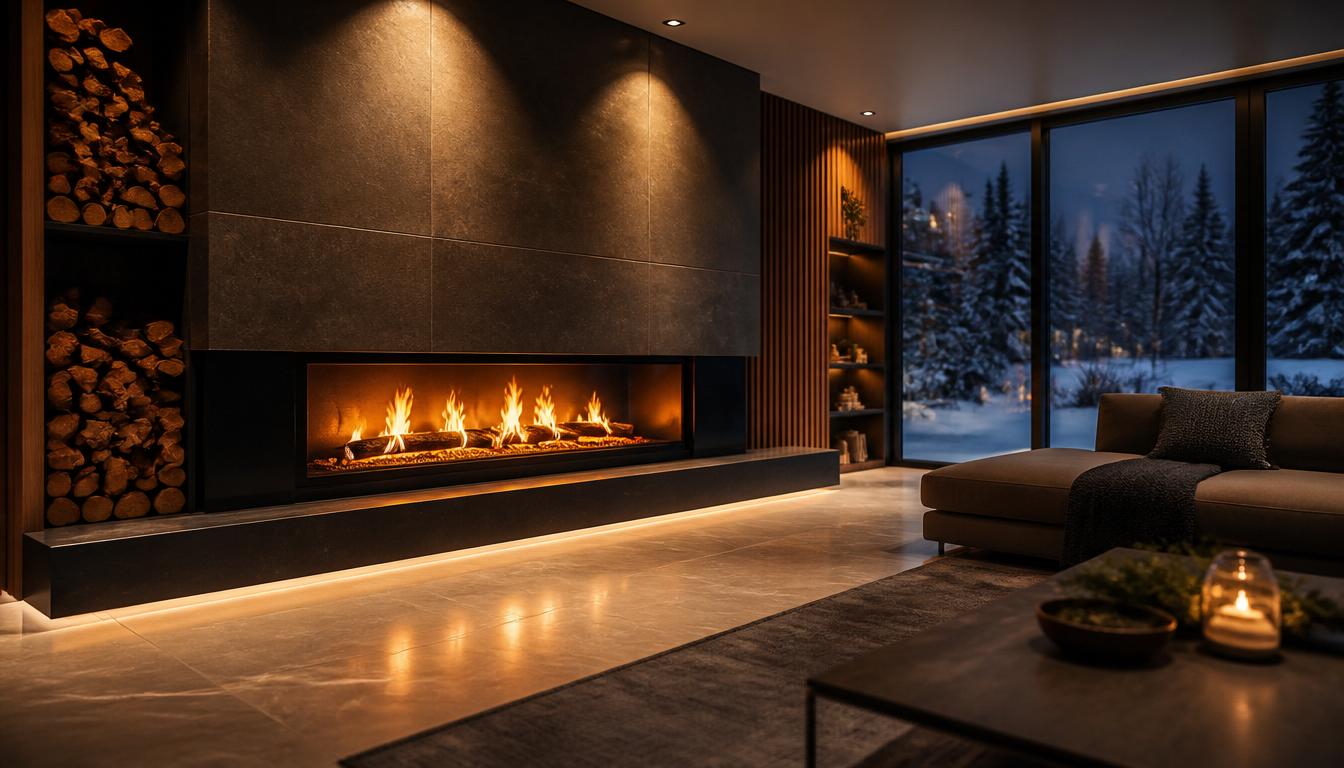
The cost of a fireplace project varies significantly depending on the type of Zimmerkamine selected. While the purchase price is often the first consideration, homeowners should also think about installation, maintenance, fuel expenses, and long-term operating costs.
Electric fireplaces are generally the most affordable option. Because they do not require extensive structural modifications, installation expenses are often minimal. This makes them particularly attractive for budget-conscious homeowners.
Gas fireplaces usually involve moderate installation costs. Depending on the home’s existing infrastructure, additional work may be required to install gas lines and ventilation systems. However, many homeowners find the convenience and efficiency worth the initial investment.
Wood-burning fireplaces often involve the highest installation costs, especially if a new chimney system must be constructed. Ongoing expenses such as firewood purchases and chimney maintenance should also be included when evaluating total ownership costs.
Bioethanol fireplaces often fall somewhere between electric and gas models. Their installation requirements are typically simpler, but fuel costs may vary depending on local availability and usage patterns.
Factors That Influence Installation Costs
Several variables can affect the overall price of a Zimmerkamine installation. One of the most significant is whether the fireplace is being installed during new construction or added to an existing home. New construction projects generally allow for easier integration and lower labor costs.
The location of the fireplace also plays an important role. Installing a fireplace on an exterior wall may simplify ventilation requirements, while interior installations often require additional structural work.
Material choices can significantly influence the final budget. Natural stone surrounds, custom-built mantels, and premium finishes can dramatically increase project costs while enhancing visual appeal.
Local building codes and permit requirements may introduce additional expenses. Working with qualified professionals helps ensure compliance with safety regulations while avoiding costly mistakes later in the process.
Zimmerkamine Installation Process
Installing a fireplace involves much more than simply placing a unit inside a room. Proper planning begins with evaluating heating needs, room dimensions, ventilation requirements, and design preferences.
The first stage typically involves selecting the appropriate fireplace type and determining the best location. Factors such as furniture placement, traffic flow, and room aesthetics should all be considered during this phase.
Once the design has been finalized, professional installers prepare the area and complete any necessary structural modifications. Depending on the fireplace type, this may involve ventilation systems, gas connections, electrical work, or support structures.
After installation is complete, the fireplace undergoes testing to ensure safe and efficient operation. Professional inspections help verify that all components meet applicable safety standards and function correctly before regular use begins.
How Energy Efficient Are Modern Zimmerkamine?
Energy efficiency has become one of the most important factors homeowners consider when selecting a fireplace. While appearance and comfort remain important, many buyers want a heating solution that helps manage energy consumption without sacrificing performance. Fortunately, modern Zimmerkamine are far more efficient than traditional fireplaces used decades ago.
Today’s fireplace manufacturers use advanced technologies to improve heat retention and reduce waste. Modern combustion systems are designed to extract more heat from fuel while minimizing emissions. As a result, homeowners can enjoy a warmer room without using excessive amounts of energy.
Gas fireplaces are often considered among the most efficient options available. Many high-quality models are designed to circulate heat directly into the living space instead of allowing it to escape through ventilation systems. This makes them a practical choice for homeowners who want reliable supplemental heating throughout colder months.
Electric fireplaces are also highly efficient because nearly all the electricity they consume is converted into usable heat. Since there is no combustion process involved, there is very little energy loss. For apartments, smaller homes, and individual rooms, electric Zimmerkamine can provide an effective and economical heating solution.
Comparing Wood, Gas, Electric and Bioethanol Efficiency
Each type of Zimmerkamine offers a different balance between efficiency, convenience, and heating performance. Understanding these differences helps homeowners make a better purchasing decision based on their specific needs.
Wood-burning fireplaces create an authentic atmosphere and can generate significant heat. However, traditional open fireplaces often lose a substantial amount of warmth through the chimney. Modern wood-burning inserts have improved this issue considerably, making them far more efficient than older designs.
Gas fireplaces are widely recognized for their consistent heat output and reliable performance. They provide warmth quickly and maintain stable temperatures with minimal effort from the homeowner. This combination of convenience and efficiency makes gas models one of the most popular choices available today.
Electric fireplaces excel in situations where ease of installation and energy efficiency are priorities. They work especially well as supplemental heating sources and can often reduce the need to heat an entire home when only one room is being used.
Bioethanol fireplaces offer moderate heating capabilities but are often selected primarily for their design appeal. While they can contribute warmth to a room, they are usually not intended to serve as the primary heating source in larger homes.
Smart Ways to Improve Fireplace Performance
Even the most efficient fireplace can benefit from proper usage and maintenance. Small improvements can significantly increase heat output while reducing fuel consumption and operating costs.
One of the simplest ways to improve performance is regular cleaning. Dust, soot, ash, and debris can interfere with proper operation and reduce overall efficiency. A clean fireplace performs better and often lasts longer than one that is neglected.
For wood-burning fireplaces, using properly seasoned firewood is essential. Dry wood burns hotter and cleaner than freshly cut wood, producing more heat while creating less smoke and residue. This improves both comfort and efficiency.
Home insulation also plays a major role. Warm air can quickly escape through poorly insulated walls, windows, and doors. Improving insulation helps retain heat generated by the fireplace, allowing homeowners to get more value from their heating investment.
Many modern fireplaces now include smart controls and programmable settings. These features allow users to regulate temperature more precisely and avoid unnecessary energy consumption throughout the day.
Choosing the Perfect Zimmerkamine for Your Home
Selecting the right fireplace requires careful consideration of both practical and aesthetic factors. A fireplace should not only look attractive but also meet the heating requirements of the space where it will be installed.
Room size is one of the most important considerations. A small fireplace may struggle to heat a large area effectively, while an oversized unit could make a compact room uncomfortable. Matching heat output to room dimensions helps achieve balanced performance.
Homeowners should also consider how frequently the fireplace will be used. Those who plan to enjoy daily heating may prioritize efficiency and operating costs, while occasional users may focus more on appearance and design.
Interior style is another key factor. A traditional stone fireplace may complement a rustic home beautifully, while a sleek linear design may better suit a contemporary living space. The fireplace should feel like a natural extension of the room rather than an unrelated feature.
Budget considerations extend beyond the initial purchase price. Installation expenses, fuel costs, maintenance requirements, and long-term ownership expenses should all be evaluated before making a final decision.
Best Zimmerkamine Designs for Modern Living Spaces
Modern interior design has created exciting opportunities for fireplace innovation. Today’s Zimmerkamine are available in a wide range of styles that blend seamlessly into contemporary homes.
Linear fireplaces have become especially popular because of their clean and elegant appearance. Their wide flame displays create a sophisticated focal point that works well in open-concept living rooms and luxury interiors.
Wall-mounted electric fireplaces continue to attract homeowners who appreciate minimalist design. These units save floor space while delivering impressive visual impact. Their versatility makes them suitable for apartments as well as larger homes.
Double-sided fireplaces are another growing trend. These models allow homeowners to enjoy the flame from multiple rooms, creating a dramatic architectural feature while improving heat distribution.
Many designers are also incorporating fireplaces into custom entertainment walls, combining television units, shelving, and fireplaces into a single cohesive design. This approach maximizes both functionality and visual appeal.
Maintenance Requirements and Long-Term Care
Proper maintenance is essential for ensuring safety, efficiency, and long-term performance. While maintenance needs vary depending on fireplace type, all Zimmerkamine benefit from regular attention.
Wood-burning fireplaces require the most maintenance. Ash removal, chimney inspections, and routine cleaning are necessary to maintain safe operation. Over time, creosote can accumulate inside the chimney, increasing the risk of chimney fires if left unchecked.
Gas fireplaces generally require less maintenance but should still be inspected regularly. Burners, ignition systems, and gas connections need periodic evaluation to ensure they continue operating safely and efficiently.
Electric fireplaces are among the easiest to maintain. Most only require occasional dusting and cleaning of glass surfaces. Since there is no combustion process, maintenance demands are minimal compared to other fireplace types.
Bioethanol fireplaces also require regular cleaning to preserve their appearance and performance. Following manufacturer recommendations helps ensure safe fuel handling and reliable operation over time.
Common Safety Mistakes and How to Avoid Them
Although modern fireplaces include numerous safety features, responsible usage remains extremely important. Understanding common mistakes can help homeowners reduce risks and enjoy their fireplace with confidence.
One of the most common mistakes is neglecting routine inspections. Small problems can develop gradually and become serious safety hazards if left unresolved. Professional inspections help identify issues before they lead to expensive repairs or dangerous situations.
Improper ventilation is another concern. Gas and wood-burning fireplaces rely on adequate airflow to ensure safe combustion. Poor ventilation can affect performance and potentially create health risks.
Families with children or pets should consider protective screens or barriers. These simple additions can help prevent accidental contact with hot surfaces and reduce the likelihood of injuries.
Smoke detectors and carbon monoxide alarms should always be installed and tested regularly. These devices provide an important layer of protection and can alert occupants to potential problems before they become emergencies.
Advantages of Installing Zimmerkamine
There are many reasons why homeowners continue to invest in fireplaces despite the availability of modern heating systems. One of the biggest advantages is the unique atmosphere they create. A fireplace adds warmth and character to a room in a way that few other design elements can match.
Additional heating capability is another significant benefit. During colder seasons, a fireplace can help reduce reliance on central heating systems, potentially lowering household energy expenses.
Fireplaces often increase the visual appeal of a property. Many homebuyers view them as desirable features, making them valuable additions that may improve marketability and resale potential.
Modern Zimmerkamine also provide impressive design flexibility. Whether homeowners prefer traditional charm or contemporary elegance, there are countless styles available to suit different tastes and architectural preferences.
Beyond practical benefits, fireplaces often become gathering places for family and friends. They create a natural focal point that encourages relaxation, conversation, and shared experiences.
Potential Drawbacks Before You Buy
While Zimmerkamine offer many advantages, homeowners should also consider potential limitations before making a purchase.
Installation costs can be substantial, particularly for gas and wood-burning systems that require specialized infrastructure. Structural modifications, ventilation systems, and professional labor can increase the overall investment.
Maintenance requirements vary considerably depending on the fireplace type. While electric models require little upkeep, wood-burning units demand ongoing attention to ensure safe and efficient operation.
Fuel expenses represent another consideration. Depending on local prices and usage habits, operating costs can vary significantly between different fireplace options.
It is also important to understand that not all fireplaces are designed to serve as primary heating systems. Some models function best as supplemental heat sources and may not provide sufficient warmth for larger homes on their own.
Carefully evaluating these factors helps homeowners choose a fireplace that aligns with their expectations and lifestyle.
Future Innovations Shaping the Zimmerkamine Industry
The fireplace industry continues to evolve as technology advances and consumer preferences change. Manufacturers are developing smarter, cleaner, and more efficient products that meet the demands of modern homeowners.
Smart fireplace technology is becoming increasingly common. Many newer models can be controlled through mobile applications, allowing users to adjust temperature settings, flame intensity, and operating schedules remotely.
Energy efficiency remains a major area of innovation. Engineers continue to improve combustion systems, insulation materials, and heat distribution technologies to maximize performance while reducing environmental impact.
Customization is also becoming more important. Homeowners now have access to a wider variety of finishes, materials, and installation configurations than ever before. This allows fireplaces to become highly personalized design elements.
Sustainability is expected to play an even larger role in future developments. Cleaner-burning fuels, environmentally responsible manufacturing processes, and advanced efficiency technologies will likely shape the next generation of Zimmerkamine.
Conclusion
Zimmerkamine combine comfort, functionality, and visual appeal in a way few home features can match. Whether you choose a traditional wood-burning fireplace, a convenient gas model, a versatile electric unit, or a contemporary bioethanol design, the right fireplace can significantly enhance both the appearance and comfort of your living space.
Understanding installation requirements, operating costs, maintenance responsibilities, and efficiency levels allows homeowners to make informed decisions. Every fireplace type offers unique advantages, making it important to evaluate personal needs, budget, and design preferences before making a final choice.
With proper planning and professional installation, Zimmerkamine can provide reliable warmth, lasting value, and a welcoming atmosphere that transforms an ordinary room into one of the most enjoyable spaces in the home.
FAQs
What does the term Zimmerkamine mean?
Zimmerkamine generally refers to indoor room fireplaces designed to provide heat while enhancing interior design. They are available in wood-burning, gas, electric, and bioethanol models.
Which type of Zimmerkamine is the most energy efficient?
Modern electric and gas fireplaces are typically considered the most energy-efficient options because they convert a large percentage of energy into usable heat while minimizing waste.
How much does it cost to install Zimmerkamine?
Installation costs vary depending on the fireplace type, project complexity, location, and local labor rates. Electric fireplaces are usually the least expensive to install, while wood-burning systems often require the largest investment.
Do Zimmerkamine increase home value?
A well-designed and professionally installed fireplace can enhance a property’s visual appeal and may increase its attractiveness to potential buyers.
Are Zimmerkamine safe for families with children?
Yes. Modern fireplaces include numerous safety features, and additional measures such as protective screens, routine maintenance, and proper supervision can help create a safe environment for families with children.